From Local Action to Global Impact: The Power of Erasmus+ in Youth Development
- VITAL Biedrība

- Apr 30
- 2 min read
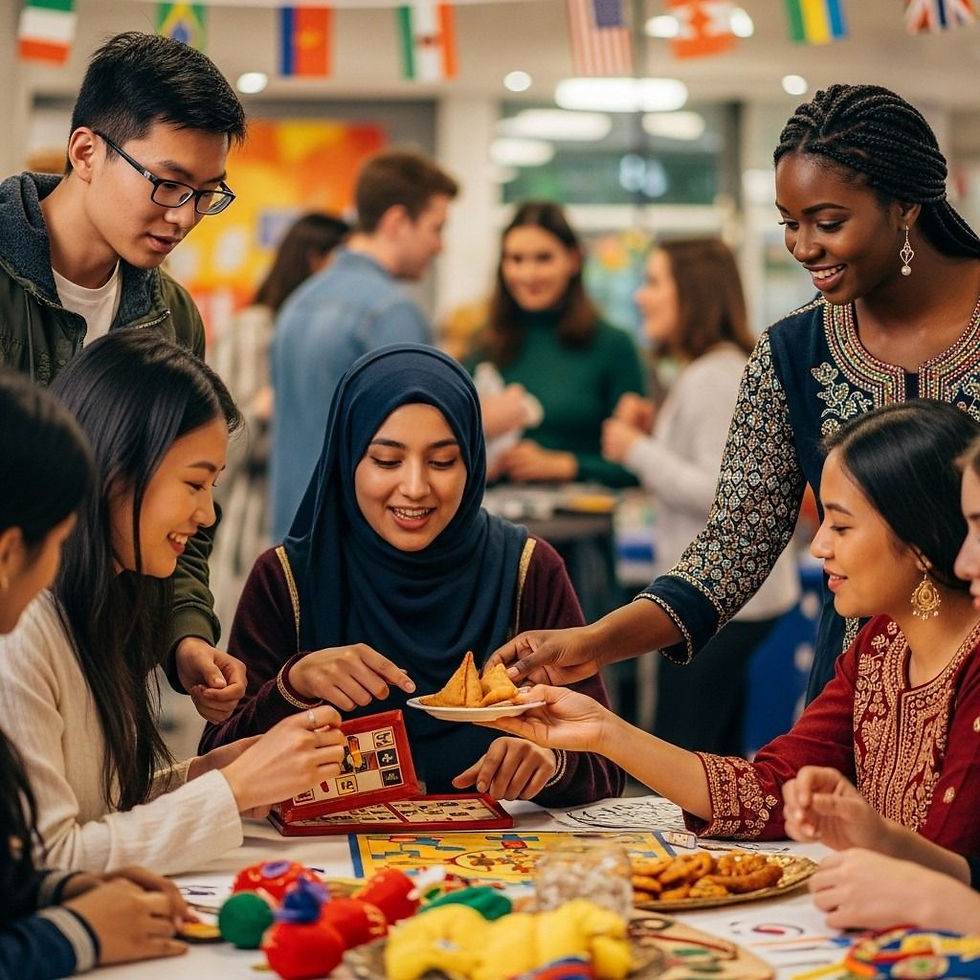
Youth development today requires more than local initiatives; it demands connection, collaboration, and shared learning across borders. In this context, Erasmus+ has become one of the most influential European programs, enabling young people and organizations to engage in meaningful international cooperation. By linking local action with global exchange, it creates opportunities for growth, inclusion, and long-term social impact.
At its core, Erasmus+ supports youth exchanges, training courses, and capacity-building projects that bring together participants from different countries. These experiences allow young people to step outside their immediate environments and engage with diverse perspectives. This exposure not only broadens cultural understanding but also strengthens communication skills, adaptability, and critical thinking.
One of the most significant impacts of Erasmus+ is its role in non-formal education. Unlike traditional classroom learning, these programs emphasize experiential learning, teamwork, and active participation. Young people learn by doing—whether through group activities, workshops, or collaborative projects—developing practical skills that are essential for personal and professional growth.
Erasmus+ also plays a key role in promoting inclusion. Many projects specifically focus on reaching young people with fewer opportunities, including those facing social, economic, or educational barriers. By ensuring accessibility, the program helps reduce inequality and empowers individuals who might otherwise be excluded from international experiences and learning opportunities.
Another important dimension is the transfer of knowledge and best practices. Organizations working in different countries share methods, tools, and approaches related to education, health, sustainability, and social inclusion. This exchange of ideas strengthens local initiatives by introducing innovative solutions that can be adapted to different community contexts.
The impact of Erasmus+ does not end when the project finishes. Participants often bring their experiences back to their local communities, applying new skills and perspectives in meaningful ways. This creates a ripple effect, where global learning contributes directly to local development and long-term social change.
In conclusion, Erasmus+ demonstrates how local action can evolve into global impact. By connecting young people across borders and encouraging collaboration, it builds more inclusive, skilled, and socially aware generations. Through continued participation and engagement, youth organizations can transform individual experiences into collective progress for a more connected and resilient Europe.