The Relationship Between Physical Health and Emotional Resilience

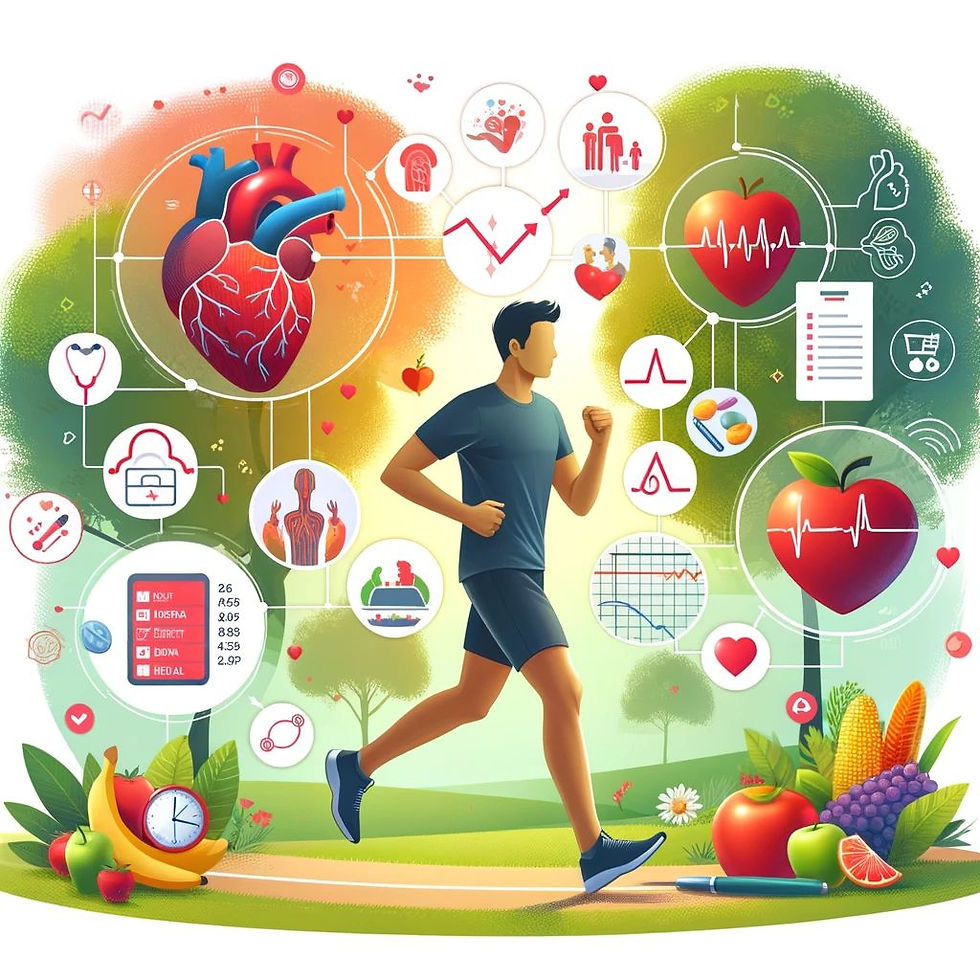
Physical health and emotional resilience are closely connected aspects of overall well-being. A healthy body can support a healthy mind, while emotional resilience helps individuals cope with challenges, stress, and everyday difficulties more effectively. Together, they contribute to a balanced and healthier lifestyle.
Physical activity has a significant impact on emotional well-being. Regular exercise helps reduce stress, anxiety, and tension by supporting the release of endorphins, often referred to as “feel-good” hormones. Activities such as walking, sports, yoga, or outdoor exercise can improve mood, increase energy levels, and promote better sleep quality. These benefits strengthen emotional resilience and help individuals respond more positively to life’s challenges.
Healthy lifestyle habits also influence emotional strength. Balanced nutrition, sufficient sleep, hydration, and regular movement support brain function and emotional stability. When individuals take care of their physical health, they are often better prepared to manage difficult emotions and maintain focus during stressful situations.
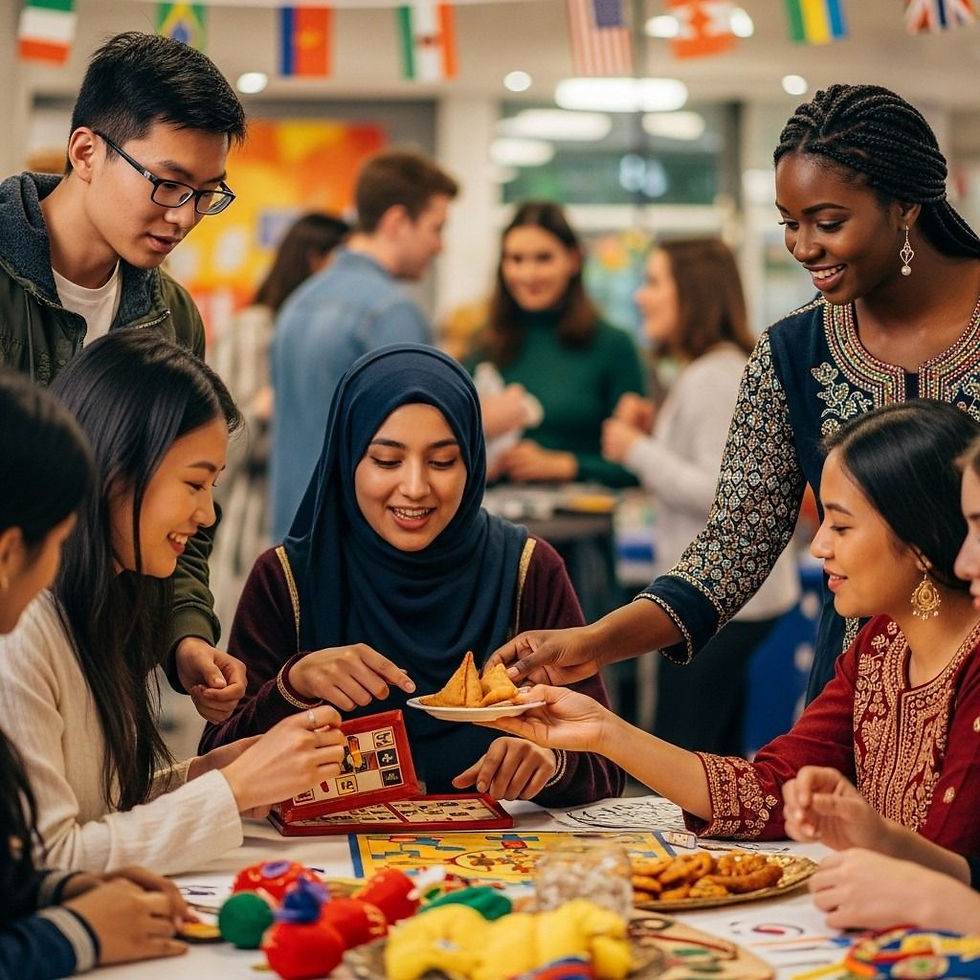
Emotional resilience refers to the ability to adapt and recover from setbacks, pressure, or unexpected changes. It does not mean avoiding difficulties, but rather developing healthy coping strategies and maintaining psychological balance. Strong social connections, supportive communities, and positive routines all contribute to resilience.
Young people, in particular, can benefit greatly from understanding the connection between physical and emotional health. Academic pressure, social expectations, and uncertainty about the future may affect mental well-being. Encouraging healthy routines and open conversations about emotional health can help young individuals build confidence and resilience.
Community organizations, educators, and youth workers play an important role in promoting holistic well-being. Through workshops, sports activities, awareness campaigns, and non-formal education, they can create supportive environments that encourage both physical and emotional health.
Organizations such as VITAL Biedrība contribute to this effort by promoting preventive health awareness and inclusive well-being initiatives. By focusing on mental, physical, and social health together, such initiatives help individuals develop healthier and more balanced lives.
Ultimately, physical health and emotional resilience support one another. Strengthening one often strengthens the other. By adopting healthy habits and building supportive environments, individuals and communities can improve overall well-being and better navigate the challenges of modern life.